 Guide
What Is a Motor Controller? The Brain of an EV
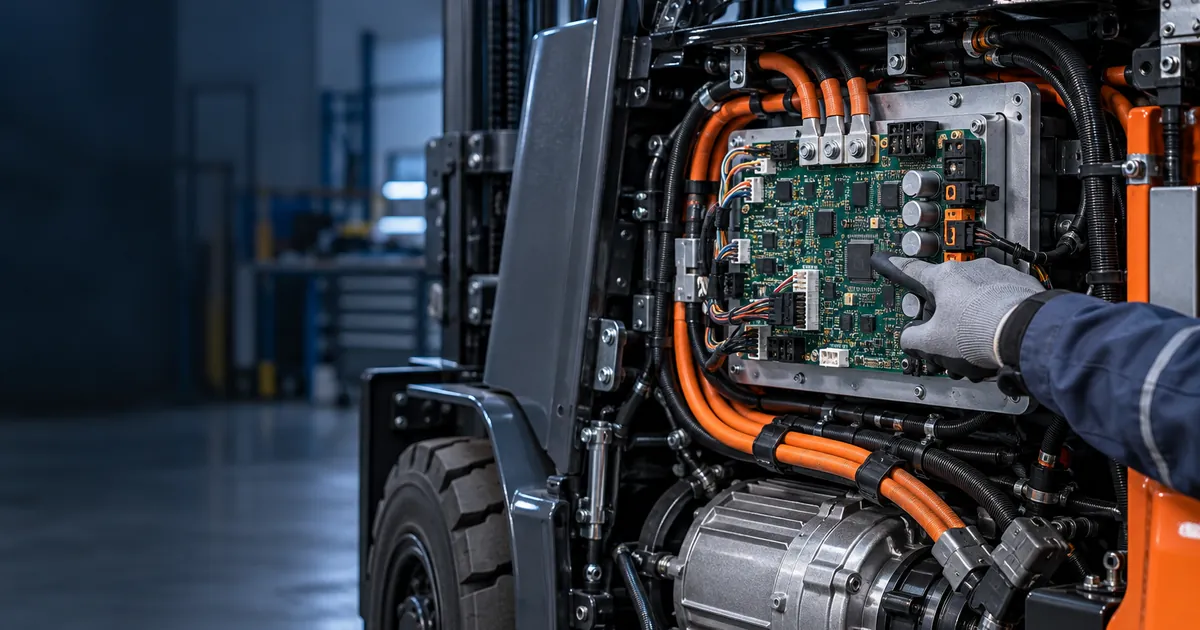
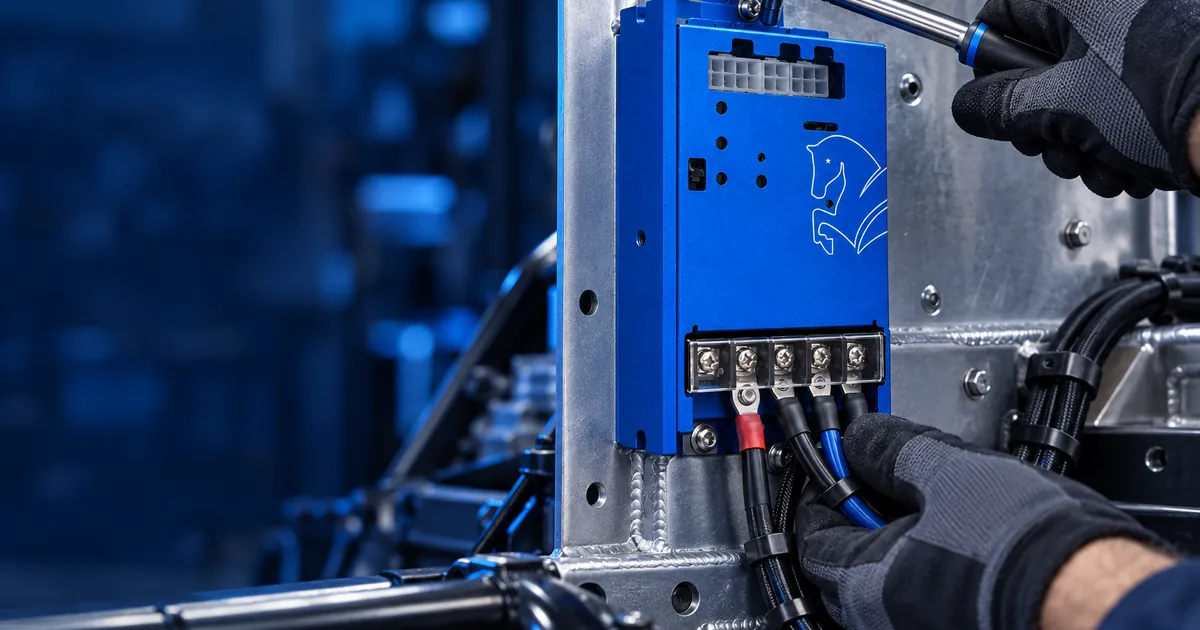
Electric forklifts, pallet trucks, golf carts and e-scooters all have a board between the battery and the motor that technicians often call the vehicle’s “brain”. It also goes by controller, control board or motor drive — all names for the same part. This article explains what a motor controller does, how to choose one and when it needs replacing.
What Does a Motor Controller Do?
A battery supplies constant direct current, while the motor has to turn slowly or quickly, reverse and brake as the operator demands. The controller sits in between: it reads commands from the throttle, direction switch and brake signal, and shapes the energy drawn from the battery to what the motor needs.
- Speed and torque control: the further the pedal is pressed, the more current the motor receives — smooth starts and controlled movement on ramps.
- Direction change: forward/reverse switching is done electronically.
- Braking and energy recovery: 4Q (four-quadrant) controllers turn the motor into a generator while decelerating and return energy to the battery.
- Protection: guards motor and battery against overcurrent, overheating and short circuits, and reports fault codes.
Is It the Same as an Engine ECU?
No. In petrol and diesel cars the engine control unit (ECU) manages fuel injection and ignition. The controller in this article is the power-electronics board that drives an electric motor. If the part you are looking for sits between the battery and the electric motor, you are in the right place.
Brushed DC vs Brushless Controllers
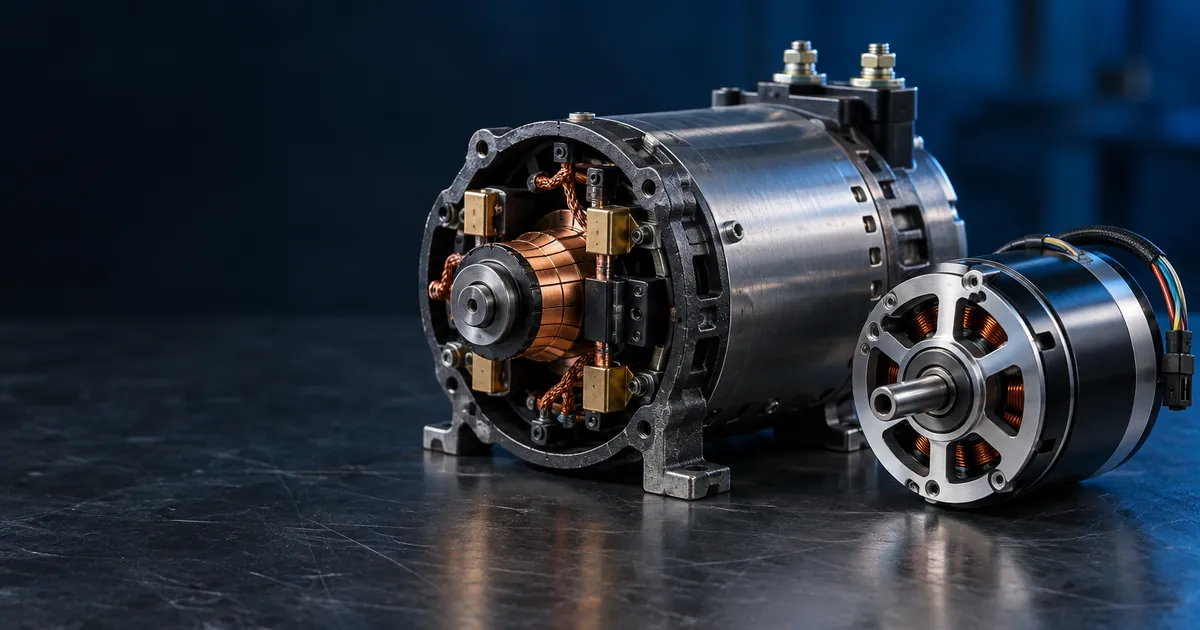
A controller is chosen for the motor it drives. Many older forklifts and pallet trucks use brushed or series-wound DC motors, which need a DC motor controller. Newer vehicles use brushless BLDC, PMSM or AC induction motors; their controller reads rotor position from sensors and drives the three phases electronically. A controller for one motor type cannot drive another.
5 Things to Check When Choosing a Controller
- Motor type: brushed DC, brushless (BLDC/PMSM) or AC induction?
- Battery voltage: 24 V, 48 V, 72 V… the controller’s range must also cover your battery’s fully charged voltage.
- Current: continuous demand plus the peak current drawn at start-up and on ramps.
- Connections: throttle signal, direction and seat switches, brake and contactor outputs.
- Communication: do you need CANopen or Modbus to talk to a display, BMS or host controller?
When Should a Controller Be Replaced?
If the vehicle does not move, keeps showing fault codes, cuts out intermittently or the controller overheats, check the wiring, battery and motor first — some faults come from a loose power cable or a weak battery rather than the controller. If the board itself has failed, moving to a model with easy spare-part access and technical support is often more economical than repairing it. We cover failure causes in detail in why motor controllers burn out.
NESDrive Motor Controllers
NESDrive designs and manufactures motor controller boards in Kayseri, Türkiye. Our BLDC motor controller series TULPAR drives brushless BLDC, PMSM and induction motors, while our DC motor controller series BAMSI drives brushed and series-wound DC motors. For forklifts, see our forklift motor controller page.
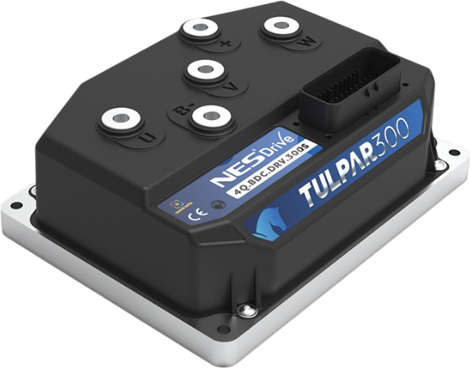
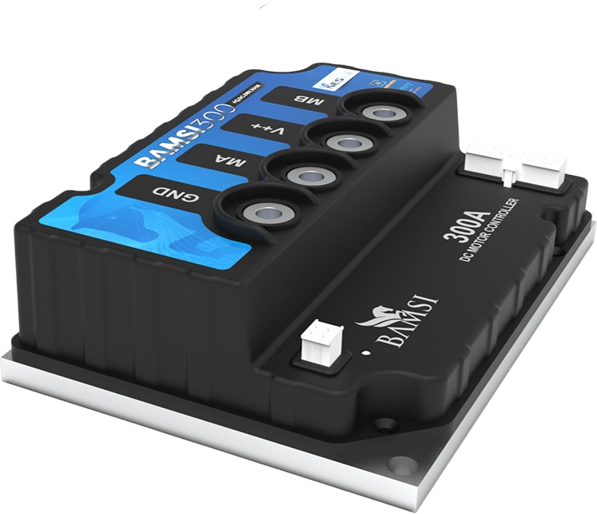
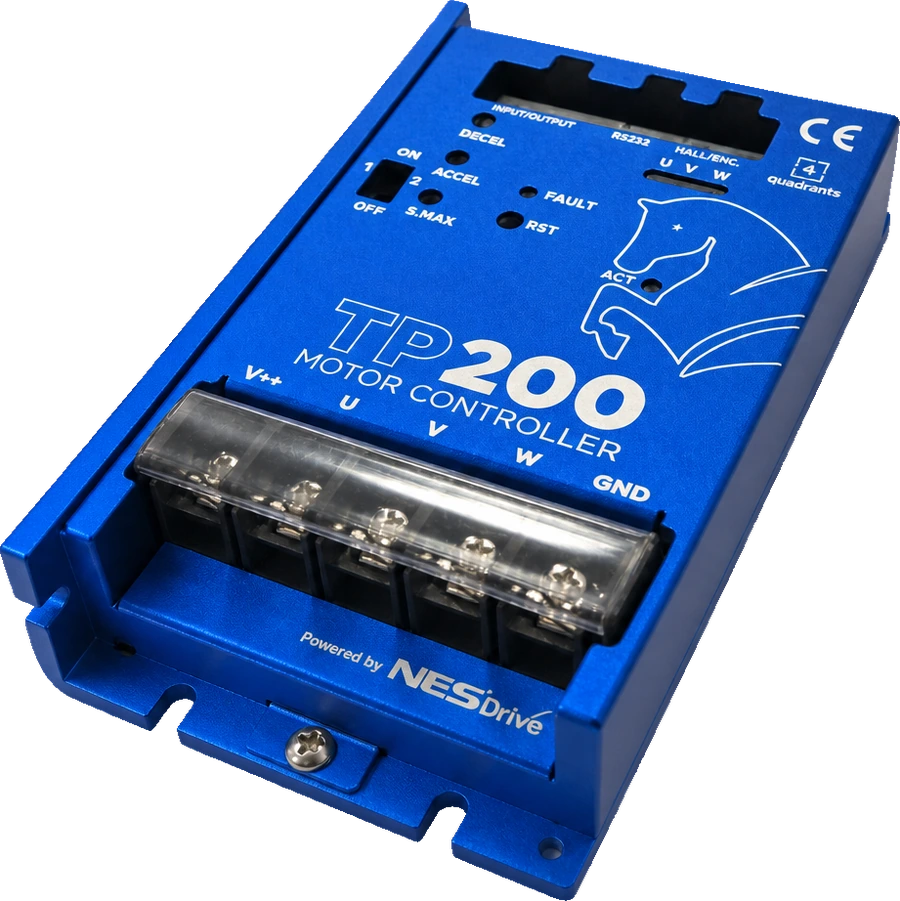
Share your application requirements and our engineering team will recommend the best NESDrive model.
 Guide
Mounting and Integrating a Motor Drive
The practical steps of integration, from placing the drive in the vehicle and wiring it to communication setup and first power-up.
 Guide
BLDC or Brushed DC? How to Choose the Right Motor Drive
The difference between brushed DC and brushless (BLDC) motor drives, which one to pick for your application, and 5 key criteria when selecting a drive.